



There is a moment most of us know from the inside.
You have worked hard. Built something. Followed the right signals and made the responsible decisions and shown up consistently for the thing you believed in. And then something bent. The plan didn’t survive contact with reality. The formula stopped producing life even though it kept producing output. The room you were leading or creating in or worshipping in started to feel like it was running on fumes instead of fire.
Most of us, in that moment, do the understandable thing. We work harder. Tighten the system. Refine the formula. Wait for better conditions before we release the thing we’ve been holding.
What if that moment isn’t a malfunction?
What if it’s an invitation?
The Book I Had to Live Before I Could Write
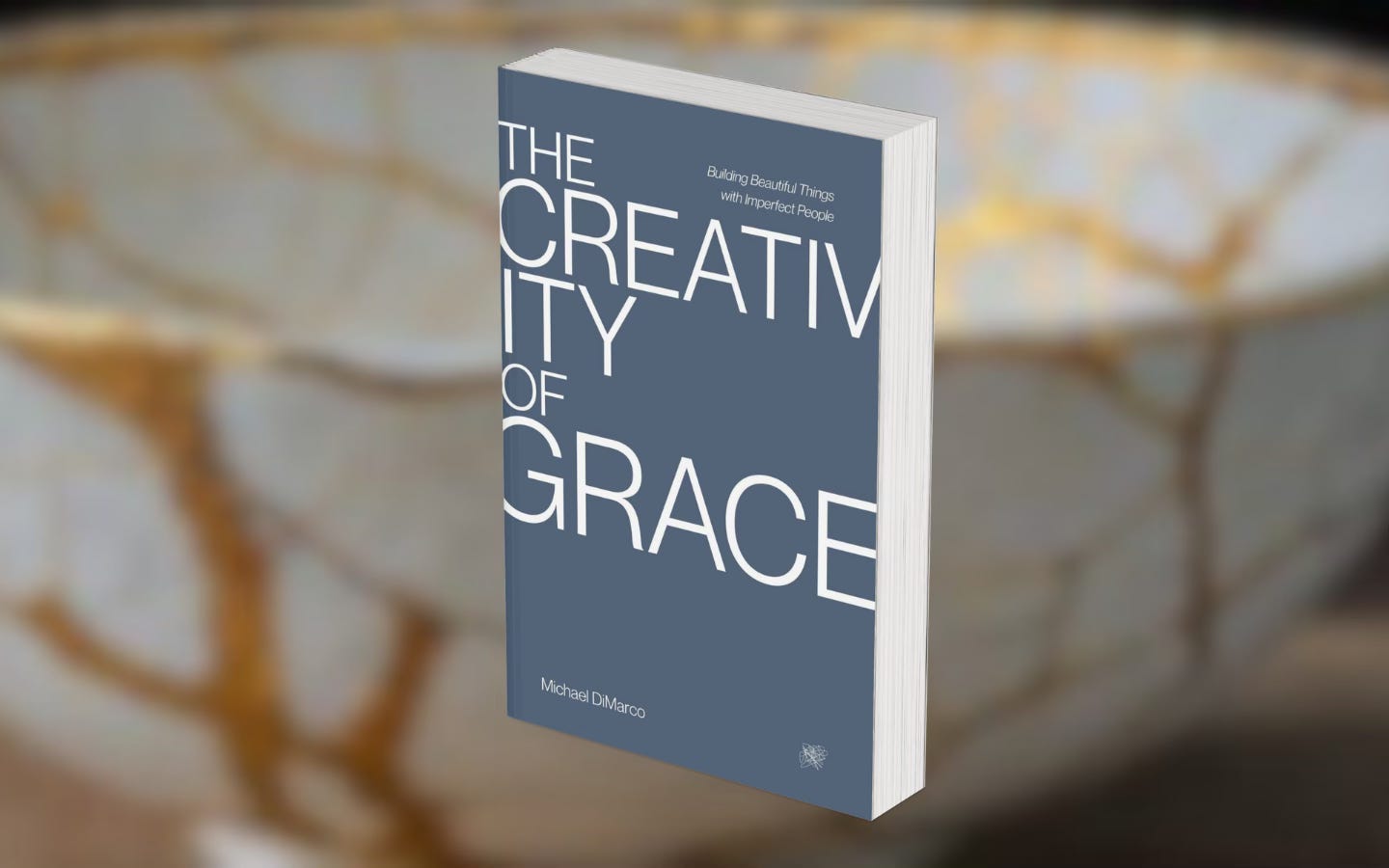
The Creativity of Grace: How Imperfect People Create Beautiful Things is the book that came out of the hardest season of my professional life.
After more than fifty published titles, years of consulting with ministries and publishers, coaching college athletes, and pastoring churches, I relocated across the country for what I believed was my next chapter. Within six months I knew the fit was wrong. Not the people. Not the mission. The fit. The kind of wrong you feel in your chest before you can name it in a sentence.
I could have performed my way through it. Instead I surrendered the role and started driving rideshare through a city I barely knew, with no platform, no institutional standing, and no plan beyond staying present to whatever came next.
What came next became this book.
Not because the story had a tidy resolution. Because grace doesn’t wait for tidy. Grace does not stop creating when your plan collapses. It just starts working on something you couldn’t have designed yourself.
What This Book Is Actually About
The Creativity of Grace is not a creativity book in the conventional sense. It is not a collection of productivity tips or a framework for innovative thinking or a manifesto about disrupting your industry.
It is a book about a force.
The most creative force in the universe, which turns out not to be talent or vision or strategy or the kind of polished excellence that fills a room before the speaker opens their mouth. It is grace. And grace, as it turns out, does its most significant and most beautiful work not in the straight, well-mapped, everything-is-working sections of our lives.
It works in the curves.
In the interrupted plans. In the unfinished people. In the cracked vessels and the wilderness seasons and the rooms that have been running the same formula for so long that nobody inside them can hear the story anymore.
Law creates structure. Grace creates beauty. The book traces what that distinction looks like across fifteen chapters organized into three movements: seeing differently, moving differently, and creating differently.
Who This Book Is For
If you lead an organization or a team and you have quietly noticed that your culture is producing competent people who used to be creative ones, this book is for you.
If you pastor or serve in ministry and the gap between what your programs produce and what the people in your community actually need has been growing in ways nobody is quite willing to name yet, this book is for you.
If you are a creative person, a writer or songwriter or designer or communicator, who has been holding something back because it isn’t perfect yet and the right moment hasn’t arrived yet, this book is for you.
If you are a leader who has watched a room full of genuinely gifted people stop bringing their best ideas because the culture you built, without ever intending to, taught them that the cost of creative risk was too high, this book is for you.
And if you are simply someone who has been in the curve longer than you expected and are trying to figure out whether what feels like failure might actually be formation, this book was written for you most of all.
A Few Things You’ll Find Inside
The book moves through territory that is theological without being heavy, organizational without being clinical, and personal without being self-indulgent. Here is some of what’s waiting inside.
Why your imperfections are not disqualifying information. They are often the specific places where grace does its most significant creative work. The Japanese art of kintsugi, the practice of repairing broken pottery with gold, turns out to be a surprisingly precise description of how grace operates in a human life.
Why the formula that built the room is not the same thing as the life that fills it. Every institution, ministry, and creative culture eventually faces the moment when the system that was built to serve the mission starts to replace it. The chapter on breaking the formula is one of the most practically useful in the book for organizational leaders.
Why perfectionism is not a quality control system. It is an image management system. And the difference between chasing excellence and chasing perfection is not a matter of degree. It is a matter of direction. One keeps your face turned toward the people the work was made for. The other keeps it turned toward the mirror.
Why the most important conversations in ministry and leadership begin before the content does. Reaching people before trying to fix them. Sharing the table before issuing the curriculum. Building the bridge that makes the teaching receivable rather than simply delivering the teaching and wondering why it isn’t landing.
Why the curve is not the interruption of the meaningful life. It is frequently where the meaningful life gets built. The chapter on hitting the curve, drawn from the theology of the curveball in baseball, is the one readers have told me most changed how they understand seasons of disruption and uncertainty.
The Endorsement I Didn’t Expect
When I sat down with Josh Lindblom, a retired Major League Baseball pitcher, and Tommy Kyle, the Executive Director of Nations of Coaches, at a gathering hosted by the WinShape Foundation, I had no agenda beyond showing up honestly. These were accomplished people. I had things I could have said to impress them.
Instead I told them the truth. About the six-month pastorate. About driving strangers through an unfamiliar city at midnight. About sitting on the curve I didn’t expect to be on and what the curve was teaching me.
The conversation that followed was one of the most freeing and fruitful I’d had in years.
WinShape Leadership, Nations of Coaches, and The Co-Mission, the marriage coaching ministry of Josh and Aurielle Lindblom, have all since contracted me to create or refresh creative content for their ministries.
Not because of the impressive version of the story.
Because of the one only grace could write.
That is exactly what this book is about.
Grace Is Not Finished
The theology at the center of this book is simple enough to say in a sentence and deep enough to spend a lifetime inside.
Grace is the most creative force in the universe. It does not require clean material, finished people, resolved stories, or ideal conditions. It requires availability. And the imperfect person who opens their hands and offers what they actually have, in the condition it is actually in, is precisely the kind of vessel grace has always chosen to build beautiful things through.
The manger should have settled this question permanently. The borrowed tomb settled it again. And the dry bones in the valley and the cracked jar and the five loaves and the woman who called the neighbors in before she swept the floor, all of them are saying the same thing in the same insistent voice.
Grace builds beautiful things with imperfect people.
That is the thesis. That is the invitation. That is the story this book is trying to tell
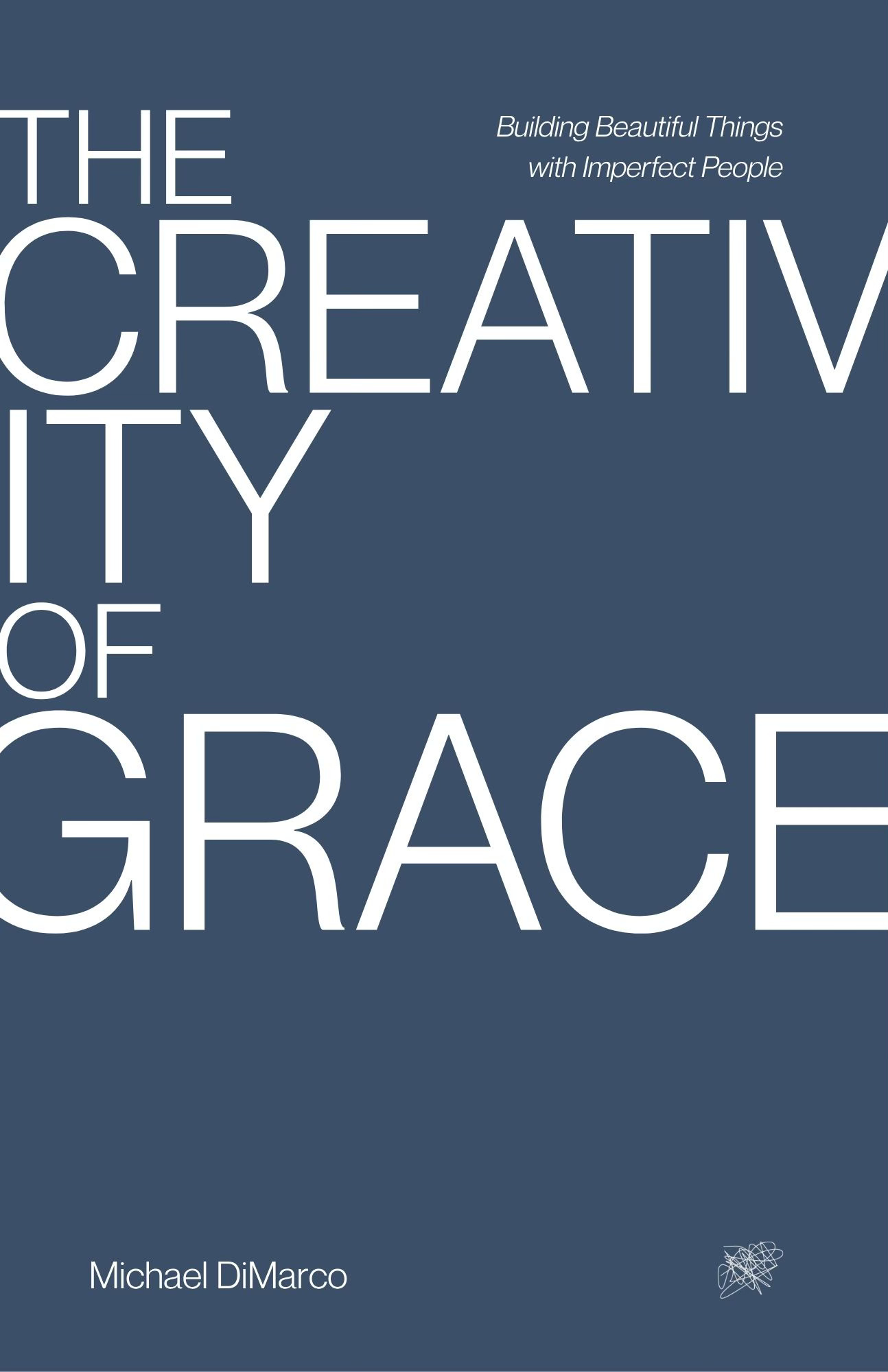
The Creativity of Grace: How Imperfect People Create Beautiful Things is available now wherever books are sold.
If you lead a ministry, organization, or creative team and want to explore what this philosophy looks like applied to the culture you are building, visit hungryplanet.net.
The curve is not the end of the road.
It is where grace was waiting to begin.